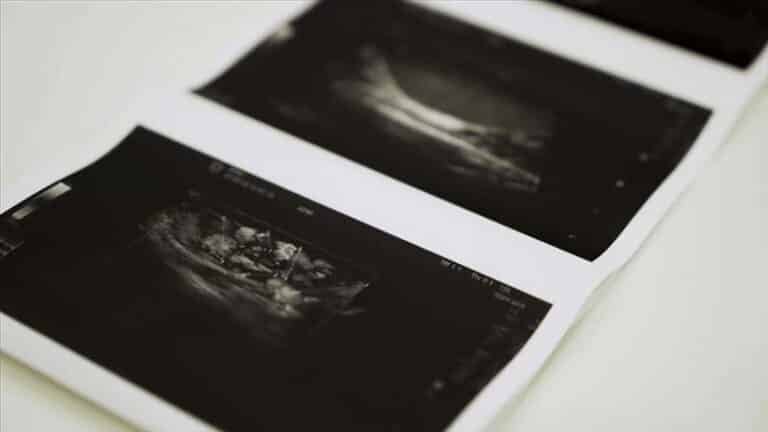
Breast Pain — When Imaging Helps
Book a Private Scan
Same-day appointments · Kensington, London · No GP referral needed
Private Breast Ultrasound ScanIntroduction
Experiencing breast pain can be a worrying symptom for many women. While it is a common complaint, understanding its potential causes and when to seek medical advice is crucial for peace of mind and appropriate care. This article aims to demystify breast pain, known medically as mastalgia, and guide you through the instances where medical imaging can provide valuable insights.
At IUS London, we understand the concerns associated with breast pain. Our clinic in Kensington offers advanced diagnostic services, including private breast ultrasound scans, to help identify the underlying reasons for your discomfort. We are committed to providing patient-centred care, ensuring you receive clear information and support throughout your diagnostic journey.
Understanding Breast Pain (Mastalgia)
Breast pain, or mastalgia, is a very common symptom that affects women of all ages. It can manifest in various ways, from a dull ache to sharp, shooting pains, and can occur in one or both breasts. While often benign, it is important to differentiate between types of pain and recognise when further investigation is necessary.
Red-Flag Symptoms: When to Seek Urgent Care
While most breast pain is not indicative of a serious condition, certain symptoms warrant immediate medical attention. Recognising these 'red flags' is vital for prompt diagnosis and treatment. If you experience any of the following, please consult a healthcare professional without delay:
- New or Worsening Lump: Any new lump or thickening in the breast or armpit, or a pre-existing lump that changes in size or texture.
- Skin Changes: Redness, dimpling, puckering, or thickening of the breast skin, resembling an orange peel (peau d'orange).
- Nipple Changes: Nipple discharge (especially if bloody or clear), inversion (turning inward) of the nipple, or a rash around the nipple.
- Persistent, Localised Pain: Breast pain that is constant, severe, and does not fluctuate with your menstrual cycle, particularly if it is focused in one specific area.
- Swelling or Warmth: Unexplained swelling, warmth, or tenderness in the breast, which could indicate an infection or other inflammatory condition.
These symptoms do not necessarily mean cancer, but they require urgent evaluation to rule out serious conditions. Early detection is key to effective management and improved outcomes.
Causes and Clinical Understanding of Breast Pain
Cyclical Breast Pain
Cyclical breast pain is the most common type of mastalgia, directly linked to hormonal fluctuations during the menstrual cycle [1]. This pain typically intensifies in the week leading up to a woman's period and often subsides once menstruation begins. It can affect one or both breasts, sometimes radiating to the armpit, and is often described as a dull ache, heaviness, tenderness, or a burning sensation [2].
The primary cause of cyclical breast pain is believed to be the normal monthly changes in oestrogen and progesterone levels. Some women's breast tissue may be more sensitive to these hormonal shifts, leading to noticeable discomfort [3]. While the exact mechanism is still under investigation, research suggests that fluctuations in hormones like oestrogen and progesterone can influence the occurrence and severity of cyclic breast pain [4].
Key Characteristics of Cyclical Breast Pain:
- Timing: Worsens before menstruation, improves during or after the period.
- Nature: Often described as diffuse, heavy, tender, or aching.
- Location: Can be in one or both breasts, sometimes extending to the armpit.
- Hormonal Link: Directly associated with the menstrual cycle and hormonal changes.
For cyclical breast pain, imaging is rarely needed unless there are other concerning symptoms or findings on clinical examination. The pain often resolves spontaneously or can be managed with lifestyle adjustments and over-the-counter pain relief.
Non-Cyclical Breast Pain
Non-cyclical breast pain, unlike its cyclical counterpart, is not related to the menstrual cycle and can be continuous or intermittent [1]. This type of pain is less common than cyclical mastalgia and often affects women aged 40 and above, though it can occur at any age. It is typically localised to a specific area of one breast and may be described as a burning, pricking, stabbing, or drawing-in pain [2].
The causes of non-cyclical breast pain are diverse and can include:
- Breast Cysts: Fluid-filled sacs within the breast tissue are a common cause of localised pain [5].
- Trauma: An injury or blow to the breast can result in pain.
- Inflammation: Conditions like mastitis (breast infection) can cause pain, redness, and swelling.
- Fibroadenomas: Benign (non-cancerous) breast lumps that can sometimes cause discomfort.
- Costochondritis: Inflammation of the cartilage connecting the ribs to the breastbone, which can mimic breast pain.
- Referred Pain: Pain originating from other areas, such as the chest wall, neck, or shoulder, can be felt in the breast [6].
- Medications: Certain medications, including some hormonal therapies, can cause breast pain as a side effect [7].
Given the varied causes, non-cyclical breast pain often warrants further investigation, especially if it is persistent, severe, or accompanied by other concerning symptoms. Imaging plays a more significant role in evaluating non-cyclical breast pain to identify the underlying cause.
Other Causes of Breast Pain
Beyond cyclical and non-cyclical mastalgia, breast pain can also arise from other sources, sometimes not directly related to the breast tissue itself. These are important to consider for a comprehensive diagnosis.
- Extramammary Pain: This refers to pain that feels like it originates in the breast but is actually coming from another area of the body [8]. Common sources include:
* Musculoskeletal Issues: Conditions affecting the chest wall, such as costochondritis (inflammation of the cartilage connecting the ribs to the breastbone), muscle strain, or arthritis in the neck or upper back, can cause pain that radiates to the breast area [9].
* Shingles (Herpes Zoster): Before the characteristic rash appears, shingles can cause significant pain in the chest wall, which may be mistaken for breast pain.
- Medication-Induced Pain: Certain medications can cause breast pain as a side effect. These may include some hormonal therapies, antidepressants (e.g., selective serotonin reuptake inhibitors), and certain cardiovascular agents [10].
- Breast Size: Women with very large breasts may experience pain in the breasts, neck, shoulder, and back due to the weight and strain [11].
- Poorly Fitting Bra: An unsupportive or ill-fitting bra can contribute to breast discomfort and pain.
- Stress and Anxiety: Psychological factors like stress and anxiety can exacerbate or even contribute to the perception of breast pain.
- Caffeine Intake: While not conclusively proven, some studies suggest that reducing caffeine intake might help alleviate breast pain in some individuals [12].
Understanding these varied causes is crucial for accurate diagnosis and effective management. A thorough medical evaluation can help pinpoint the exact origin of the pain and guide appropriate treatment or further investigation.
Management, Context, and Diagnostic Pathways
To summarise the key differences between the main types of breast pain, the following table provides a quick overview:
| Feature | Cyclical Breast Pain | Non-Cyclical Breast Pain |
| Relation to Cycle | Directly linked to menstrual cycle | Not linked to menstrual cycle |
| Timing | Worsens before period, improves after | Constant or intermittent, unpredictable |
| Location | Often diffuse, bilateral, or radiating | Usually localised to one specific area |
| Nature of Pain | Dull ache, heaviness, tenderness, burning | Burning, pricking, stabbing, sharp |
| Common Causes | Hormonal fluctuations | Cysts, fibroadenomas, trauma, inflammation, referred pain |
| Imaging Needed? | Rarely, if clinical exam is normal | Often, especially if persistent or focal |
The Role of Imaging in Breast Pain Assessment
Imaging plays a crucial role in the assessment of breast pain, particularly when there are concerns about underlying pathology or when the pain is non-cyclical and focal. While most breast pain is benign, imaging helps to:
- Rule out malignancy: The primary concern for many women experiencing breast pain is the possibility of cancer. Imaging can effectively rule out this serious condition, providing reassurance [13].
- Identify treatable causes: Imaging can pinpoint specific causes of pain, such as cysts, fibroadenomas, or inflammatory conditions, allowing for targeted treatment [14].
- Guide further management: The findings from imaging can direct subsequent steps, whether it's further diagnostic procedures, medical management, or simply reassurance and monitoring.
It is important to note that for cyclical breast pain, imaging is often not necessary if the clinical examination is normal and there are no red-flag symptoms. However, for non-cyclical, focal, or persistent breast pain, imaging is generally recommended [15].
Types of Imaging for Breast Pain
Several imaging modalities are used to evaluate breast pain, each offering different advantages:
- Breast Ultrasound: This is often the first-line imaging modality, especially for women under 35, pregnant or breastfeeding women, or when a specific area of pain or a palpable lump is identified [16]. Ultrasound is excellent for distinguishing between solid and fluid-filled masses (like cysts) and can provide detailed images of breast tissue without radiation.
- Mammography: Recommended for women aged 40 and older, or younger women with significant risk factors for breast cancer, mammography uses X-rays to create images of the breast. It is effective in detecting microcalcifications and architectural distortions that may indicate malignancy [17]. Often, mammography is performed in conjunction with ultrasound for a comprehensive assessment.
- Magnetic Resonance Imaging (MRI): Breast MRI is typically reserved for specific situations, such as when other imaging results are inconclusive, for high-risk screening, or for evaluating the extent of known cancer. It provides highly detailed images of soft tissues but is not usually a first-line investigation for breast pain alone.
The choice of imaging modality depends on several factors, including the patient's age, type of pain, clinical findings, and individual risk factors.
IUS London's Approach: From Our Practice
At IUS London, our approach to breast pain is patient-centred and thorough. We understand that breast pain can be distressing, and our goal is to provide clarity and reassurance through expert diagnostic imaging. Our private ultrasound clinic in Kensington is equipped with modern technology and staffed by experienced sonographers and radiologists.
When you visit IUS London for breast pain, you can expect a comprehensive consultation where your medical history and symptoms will be carefully reviewed. This is followed by a targeted breast ultrasound scan, which is particularly effective for evaluating focal breast pain and identifying common causes such as cysts or fibroadenomas. For women over 40 or those with specific risk factors, we may recommend combining ultrasound with mammography for a more complete assessment.
From Our Practice: We frequently encounter patients presenting with unilateral, focal breast pain that has been persistent for several weeks, often exacerbated by movement or pressure. In many such cases, after a thorough clinical examination and targeted ultrasound, we have identified small, benign fibroadenomas or simple cysts as the cause. Our immediate feedback and clear explanation of findings, coupled with a detailed report for their GP, often provides significant relief and a clear management pathway for these patients. This avoids unnecessary anxiety and ensures appropriate follow-up.
We prioritise rapid access to appointments and quick turnaround of results, understanding the anxiety that waiting can cause. Our team is dedicated to providing a supportive and discreet environment for all our patients.
When to Consider a Private Breast Scan at IUS London
Deciding when to seek a private breast scan can be a personal choice, often driven by a desire for rapid assessment, detailed information, and personalised care. At IUS London, we recommend considering a private breast scan if you:
- Experience Persistent or Worsening Pain: Especially if the pain is non-cyclical, focal, or does not resolve with conservative measures.
- Have Red-Flag Symptoms: Any of the urgent care symptoms mentioned earlier, such as a new lump, skin changes, or nipple discharge, warrant prompt investigation.
- Seek Reassurance: If you are anxious about breast pain and wish for a thorough evaluation to rule out serious conditions.
- Prefer Rapid Access: Our private clinic offers timely appointments, reducing the waiting time often associated with public healthcare systems.
- Desire a Second Opinion: If you have previously been evaluated and wish for an independent assessment.
- Are Under 35 with Breast Concerns: Ultrasound is often the preferred initial imaging for younger women.
Our dedicated team at IUS London is here to provide expert care and guidance. A private breast scan offers a detailed and focused examination, helping you understand the cause of your breast pain and ensuring appropriate next steps are taken. Private Breast Ultrasound Scan
Conclusion
Breast pain is a common and often benign symptom, but understanding its characteristics and when to seek medical attention is paramount. While cyclical pain is frequently hormonal and self-limiting, non-cyclical or persistent pain, especially with red-flag symptoms, warrants careful evaluation. Imaging, particularly breast ultrasound, plays a vital role in providing clarity, identifying underlying causes, and ruling out serious conditions.
At IUS London, we are dedicated to offering expert, patient-centred care for women experiencing breast pain. Our advanced diagnostic services and experienced team ensure you receive a thorough assessment and clear guidance, empowering you to make informed decisions about your health. Don't let breast pain cause undue anxiety; take the proactive step towards understanding and managing your breast health.
Take the Next Step: Book Your Private Breast Scan at IUS London
If you are experiencing breast pain and are concerned, or simply wish for a comprehensive and reassuring evaluation, IUS London is here to help. Our private clinic in Kensington offers:
- Rapid Access: Timely appointments to address your concerns without delay.
- Expert Care: Highly experienced sonographers and radiologists.
- Advanced Diagnostics: Modern ultrasound technology.
- Peace of Mind: Clear explanations and detailed reports.
Don't wait for answers. Take control of your breast health today.
References
- Tahir, M. T. (2025). Mastalgia. In StatPearls. National Center for Biotechnology Information (US).
- Breast Pain (Mastalgia). (n.d.). Hopkins Medicine.
- Breast Pain/Mastalgia. (n.d.). Melbourne Breast Cancer Surgery.
- Brisbine, B. R., et al. (2025). How Do Fluctuations in Endogenous Sex Hormones Affect Breast Pain in Female Athletes? Scandinavian Journal of Medicine & Science in Sports.
- Non-cyclical Breast Pain. (n.d.). Journal of Pain & Relief.
- Breast Pain: Tenderness, Causes, Diagnosis & Treatment. (2024, August 22). Cleveland Clinic.
- Mayo Clinic Staff. (2023, February 9). Breast pain - Symptoms and causes. Mayo Clinic.
- Extramammary Breast Pain. (n.d.). Hancock Health.
- Tahir, M. T. (2025). Mastalgia. In StatPearls. National Center for Biotechnology Information (US).
- Medication Causes of Mastalgia. (2026, June 1). FPnotebook.com.
- Breast Pain: 10 Reasons Your Breasts May Hurt. (n.d.). Hopkins Medicine.
- 8 Ways to Manage Breast Pain and Tenderness. (n.d.). El Camino Health.
- Tomar, S., et al. (2024). Mastalgia and Why It Should Be Evaluated With Imaging in Breast Cancer Detection. PMC.
- Imaging in mastalgia: What, when and why? (n.d.). ScienceDirect.
- Holbrook, A. I., et al. (2020). Breast Pain, A Common Grievance: Guidance to Radiologists. AJR American Journal of Roentgenology.
- Breast Ultrasound: Everything You Need to Know. (n.d.). Breast Cancer Research Foundation.
- Jokich, P. M., et al. (2017). ACR Appropriateness Criteria® Breast Pain. Journal of the American College of Radiology.