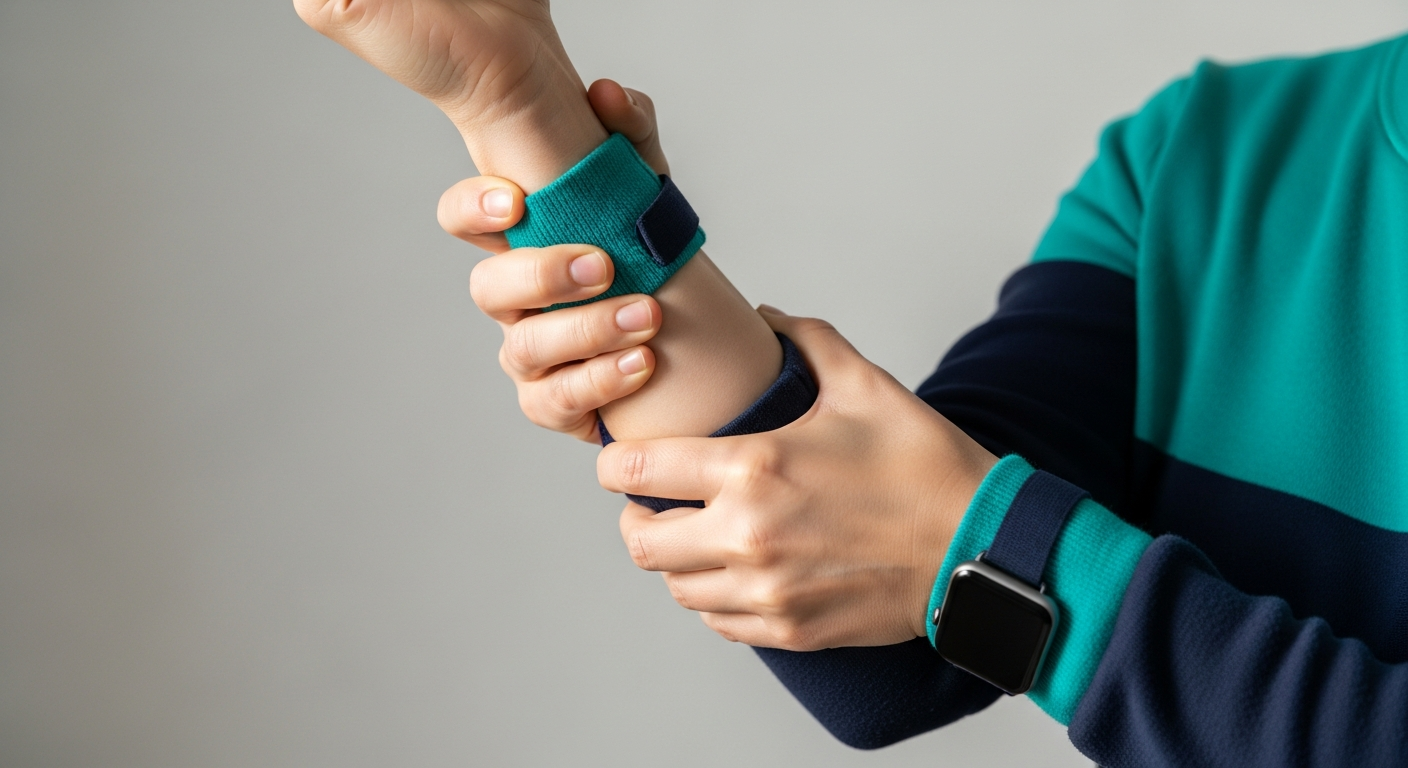
Elbow Pain — Tennis Elbow, Golferu2019s Elbow, or Bursitis?

Elbow Pain: Is it Tennis Elbow, Golfer's Elbow, or Bursitis?

Experiencing pain in your elbow can be a source of significant worry and discomfort. Whether it's a persistent ache, a sharp twinge with movement, or a swollen, tender area, elbow pain can severely impact your daily activities and quality of life. Many people initially wonder about the cause of their discomfort, often fearing the worst. This comprehensive guide aims to shed light on some of the most common causes of elbow pain, specifically focusing on conditions like Tennis Elbow (Lateral Epicondylitis), Golfer's Elbow (Medial Epicondylitis), and Olecranon Bursitis. Understanding these conditions is the first step towards finding relief and regaining full function of your arm.

⚠ When to Seek Urgent Medical Attention: Red Flags

While most elbow pain can be managed with conservative treatments, certain symptoms warrant immediate medical attention. These 'red flags' indicate a potentially serious underlying issue that requires urgent assessment in an Accident & Emergency (A&E) department:

  • Sudden, severe pain accompanied by a visible deformity or inability to move your elbow.
  • Significant swelling, redness, and warmth around the elbow, especially if accompanied by fever or chills, which could indicate an infection (septic bursitis or joint infection).
  • Inability to bend or straighten your arm completely.
  • Numbness or weakness in your hand or fingers, which might suggest nerve involvement.
  • Open wounds or obvious signs of trauma that expose bone or deep tissue.

If you experience any of these symptoms, do not delay in seeking emergency medical care.

Understanding the Causes of Elbow Pain

The elbow joint is a complex structure involving bones, ligaments, tendons, and muscles, all working in harmony to allow a wide range of motion. When any of these components are affected, pain can arise. The conditions we will explore are primarily related to inflammation or degeneration of the tendons and bursae around the elbow.

Lateral Epicondylitis (Tennis Elbow)

Lateral epicondylitis, commonly known as Tennis Elbow, is a painful condition affecting the tendons on the outside of the elbow. Despite its name, it doesn't only affect tennis players; many individuals develop it through repetitive arm, wrist, and hand movements in various occupations or hobbies.

What is it?

Tennis Elbow is characterized by pain and tenderness around the bony prominence on the outside of your elbow (the lateral epicondyle). It occurs due to degeneration or inflammation of the tendons that join the forearm muscles to the outside of the elbow. These muscles are responsible for extending your wrist and fingers [4]. Repeated stress can lead to microscopic tears and irritation in these tendons, particularly the extensor carpi radialis brevis (ECRB) tendon [4].

Causes and Risk Factors:

The primary cause is overuse and repetitive strain of the forearm muscles. Activities that involve gripping, lifting, or repetitive wrist extension can contribute. Risk factors include [5]:

  • Repetitive activities: Painting, plumbing, carpentry, typing, gardening, and playing certain sports (e.g., tennis, squash).
  • Age: Most common in individuals between 35 and 55 years old [2].
  • Gender: Female sex has been identified as a risk factor [5].
  • Manual labor: Occupations involving heavy manual labor significantly increase the risk [5].
  • Smoking: Current and former smoking are associated with lateral epicondylitis [2].

Symptoms:

  • Pain or burning on the outer part of the elbow.
  • Weakened grip strength.
  • Pain that worsens with wrist extension, gripping, or lifting objects.
  • Tenderness to touch over the lateral epicondyle.

Diagnosis:

Diagnosis is primarily clinical, based on your medical history and a physical examination. Your doctor will assess your pain, tenderness, and perform specific tests to reproduce your symptoms. Imaging, such as ultrasound, can confirm the diagnosis and rule out other conditions [6].

Treatment Options:

Most cases of Tennis Elbow resolve with conservative management. Treatment approaches include:

  • Rest and activity modification: Avoiding activities that aggravate the pain.
  • Pain relief: Over-the-counter pain relievers (NSAIDs) or topical creams.
  • Physical therapy: Exercises to stretch and strengthen the forearm muscles.
  • Bracing: Wearing an elbow brace or counterforce strap.
  • Injections: Corticosteroid injections can provide short-term pain relief but may be associated with worse long-term outcomes [1]. Platelet-rich plasma (PRP) injections have shown promising results in reducing pain and improving function, with effects lasting up to two years [7] [8].
  • Surgery: In refractory cases, surgical intervention to remove damaged tissue may be considered, though this is rare [4].

Medial Epicondylitis (Golfer's Elbow)

Medial epicondylitis, or Golfer's Elbow, is similar to Tennis Elbow but affects the inner side of the elbow.

What is it?

Golfer's Elbow causes pain and tenderness around the bony prominence on the inside of your elbow (the medial epicondyle). It involves the tendons of the forearm muscles that attach to this area, primarily those responsible for flexing your wrist and pronating your forearm [6].

Causes and Risk Factors:

This condition is also caused by repetitive stress, particularly activities involving forceful wrist flexion and forearm pronation. Common risk factors include:

  • Repetitive activities: Golfing, throwing sports (e.g., baseball, javelin), racquet sports, and occupations involving repetitive gripping or lifting.
  • Age: Similar to Tennis Elbow, it often affects individuals in their middle age.
  • Smoking and obesity: These are strong determinants of epicondylitis [2].

Symptoms:

  • Pain and tenderness on the inner side of the elbow.
  • Pain that may radiate down the forearm to the wrist.
  • Weakness in grip strength.
  • Pain that worsens with wrist flexion or pronation.

Diagnosis:

Similar to Tennis Elbow, diagnosis is based on clinical examination. Ultrasound can be a valuable diagnostic tool, showing high sensitivity and specificity for detecting medial epicondylitis [7].

Treatment Options:

Conservative treatment is usually effective:

  • Rest and activity modification: Avoiding aggravating activities.
  • Pain management: NSAIDs or other pain relievers.
  • Physical therapy: Eccentric exercises for the wrist flexor-pronator musculature have shown promise in reducing pain and improving function [3].
  • Injections: Autologous blood injections guided by ultrasound have been shown to be effective [4].
  • Surgery: Surgical intervention is considered for persistent, severe cases [6].

Olecranon Bursitis

Olecranon bursitis is an inflammation of the olecranon bursa, a thin, fluid-filled sac located at the tip of the elbow.

What is it?

The olecranon bursa acts as a cushion between the olecranon (the bony tip of the elbow) and the skin, allowing smooth movement. When this bursa becomes inflamed, it fills with excess fluid, leading to swelling and pain [1].

Causes and Risk Factors:

Olecranon bursitis can be caused by [1]:

  • Trauma: A direct blow to the elbow.
  • Prolonged pressure: Leaning on elbows for extended periods (e.g., students, office workers).
  • Infection (Septic Bursitis): Bacteria can enter the bursa through a cut, scrape, or insect bite. This is a serious condition requiring prompt medical attention [1].
  • Medical conditions: Certain systemic conditions like rheumatoid arthritis or gout can predispose individuals to bursitis [8].

Symptoms:

  • Swelling: A noticeable lump at the back of the elbow, which can range from small to very large.
  • Pain: May be mild or severe, especially with direct pressure or movement.
  • Redness and warmth: If the bursa is infected (septic bursitis), the area will be red, warm, and very tender. Fever and chills may also be present [1].

Diagnosis:

Diagnosis is typically made through physical examination. If infection is suspected, fluid may be aspirated from the bursa for analysis [6]. MRI can also be used to evaluate the bursa and surrounding tissues [4].

Treatment Options:

Treatment depends on whether the bursitis is aseptic (non-infected) or septic (infected).

* Rest and protection: Avoiding pressure on the elbow.

* Ice: To reduce swelling.

* Pain relief: NSAIDs.

* Aspiration: Draining the fluid from the bursa. This may be followed by a corticosteroid injection, though corticosteroids have been associated with increased complications like skin atrophy [2] [11].

* Hydrothermal ablation: A newer treatment option for recurrent or chronic cases, showing promising results with fewer complications than open bursectomy [3].

* Antibiotics: Crucial for treating the infection [1].

* Aspiration and drainage: Repeated aspiration or surgical drainage may be necessary [5].

* Surgery: Bursectomy (surgical removal of the bursa) may be required in chronic or recurrent cases, especially if conservative treatments fail [2] [8].

  • Aseptic Bursitis:
  • Septic Bursitis:

From Our Practice

[SUGGESTED — verify with clinician] Patients often present with what they believe is typical Tennis Elbow, experiencing pain on the outside of their elbow. However, on ultrasound, we frequently find subtle signs of radial nerve irritation or compression in addition to, or sometimes instead of, significant common extensor tendinopathy. This highlights the importance of a thorough ultrasound examination to differentiate between primary tendinopathy and nerve involvement, which can significantly alter the treatment approach.

Comparing Elbow Conditions and Imaging Modalities

FeatureLateral Epicondylitis (Tennis Elbow)Medial Epicondylitis (Golfer's Elbow)Olecranon Bursitis
**Location of Pain**Outer elbowInner elbowTip of the elbow (olecranon)
**Affected Tendons**Extensor tendons (wrist extensors)Flexor-pronator tendons (wrist flexors)Bursa (fluid-filled sac)
**Primary Cause**Repetitive wrist extension/supinationRepetitive wrist flexion/pronationTrauma, prolonged pressure, infection
**Key Symptoms**Pain with wrist extension, weak gripPain with wrist flexion, weak gripSwelling, pain, redness/warmth (if septic)
**Diagnosis**Clinical exam, UltrasoundClinical exam, UltrasoundClinical exam, Aspiration (if septic), Ultrasound, MRI
**Imaging Role**Confirms tendinopathy, rules out othersConfirms tendinopathy, rules out othersConfirms fluid, assesses for infection/inflammation
Imaging ModalityAdvantagesDisadvantages
**Ultrasound**Real-time, dynamic assessment, cost-effective, no radiation, good for soft tissues, can guide injectionsOperator-dependent, limited bone visualization, can be less detailed than MRI for complex cases
**MRI**Excellent soft tissue detail, good for bone and cartilage, comprehensive view of jointMore expensive, longer scan time, not real-time, claustrophobia concerns, cannot guide injections directly

Take the First Step Towards Relief: Book a Private MSK Ultrasound Scan

If you are experiencing elbow pain and are unsure of its cause, a Private Musculoskeletal (MSK) Ultrasound Scan at IUS London can provide a clear and accurate diagnosis. Our expert sonographers use state-of-the-art equipment to visualise the tendons, ligaments, muscles, and bursae around your elbow in real-time, helping to identify the exact source of your discomfort. This precise diagnostic information is crucial for developing an effective, tailored treatment plan.

Don't let elbow pain limit your life. Take control of your health today.

Book your Private MSK Ultrasound Scan at IUS London now.

References

[1] Wolf, J. (2023). Lateral Epicondylitis. The New England Journal of Medicine.

[2] Ahmad, Z., et al. (2013). Lateral epicondylitis: a review of pathology and management. The Bone & Joint Journal.

[3] See, Z. H., et al. (2026). Eccentric exercise therapy for medial epicondylitis: A systematic review of clinical outcomes. Complementary Therapies in Medicine.

[4] Tosti, R., et al. (2013). Lateral epicondylitis of the elbow. The American Journal of Medicine.

[5] Park, H., et al. (2021). Factors Associated With Lateral Epicondylitis of the Elbow. Orthopaedic Journal of Sports Medicine.

[6] Levin, D., et al. (2005). Lateral epicondylitis of the elbow: US findings. Radiology.

[7] Gosens, T., et al. (2011). Ongoing Positive Effect of Platelet-Rich Plasma Versus Corticosteroid Injection in Lateral Epicondylitis. The American Journal of Sports Medicine.

[8] Niemiec, P., et al. (2022). Effectiveness of Platelet-Rich Plasma for Lateral Epicondylitis: A Systematic Review and Meta-analysis Based on Achievement of Minimal Clinically Important Difference. Orthopaedic Journal of Sports Medicine.

[9] Reilly, D., et al. (2015). Olecranon bursitis. Journal of Shoulder and Elbow Surgery.

[10] Sayegh, E., et al. (2014). Treatment of olecranon bursitis: a systematic review. Archives of Orthopaedic and Trauma Surgery.

[11] Victor, K., et al. (2024). HYDROTHERMAL ABLATION IN RECURRENT OR CHRONIC OLECRANON BURSITIS: A PROSPECTIVE STUDY. Journal of Shoulder and Elbow Surgery.

[12] Floemer, F., et al. (2004). MRI characteristics of olecranon bursitis. AJR. American Journal of Roentgenology.

[13] Epstein, M., et al. (2021). Hyperkalemia with Mineralocorticoid Receptor Antagonist Use in CKD. Clinical Journal of the American Society of Nephrology: CJASN.

[14] Baumbach, S., et al. (2014). Prepatellar and olecranon bursitis: literature review and development of a treatment algorithm. Archives of Orthopaedic and Trauma Surgery.

[15] Park, G., et al. (2008). Diagnostic value of ultrasonography for clinical medial epicondylitis. Archives of Physical Medicine and Rehabilitation.

[16] Arevalo, A., et al. (2022). Surgical Techniques and Clinical Outcomes for Medial Epicondylitis: A Systematic Review. The American Journal of Sports Medicine.

[17] Suresh, S., et al. (2006). Medial epicondylitis: is ultrasound guided autologous blood injection an effective treatment? British Journal of Sports Medicine.

[18] Shiri, R., et al. (2006). Prevalence and determinants of lateral and medial epicondylitis: a population study. American Journal of Epidemiology.

[19] Karbowiak, M., et al. (2023). Management of lateral epicondylitis (tennis elbow). BMJ.

[20] Boden, A. L., et al. (2019). Platelet-rich plasma versus Tenex in the treatment of medial and lateral epicondylitis. Journal of Shoulder and Elbow Surgery.

Book Your Private MSK Ultrasound Scan in London

Same-day appointments available in Kensington. No GP referral required. HCPC-registered consultant sonographers.