
Elbow Pain — Tennis Elbow, Golfer’s Elbow or Bursitis?
Three common problems, three different locations. Where it hurts usually names it — and ultrasound is well suited to confirming which.
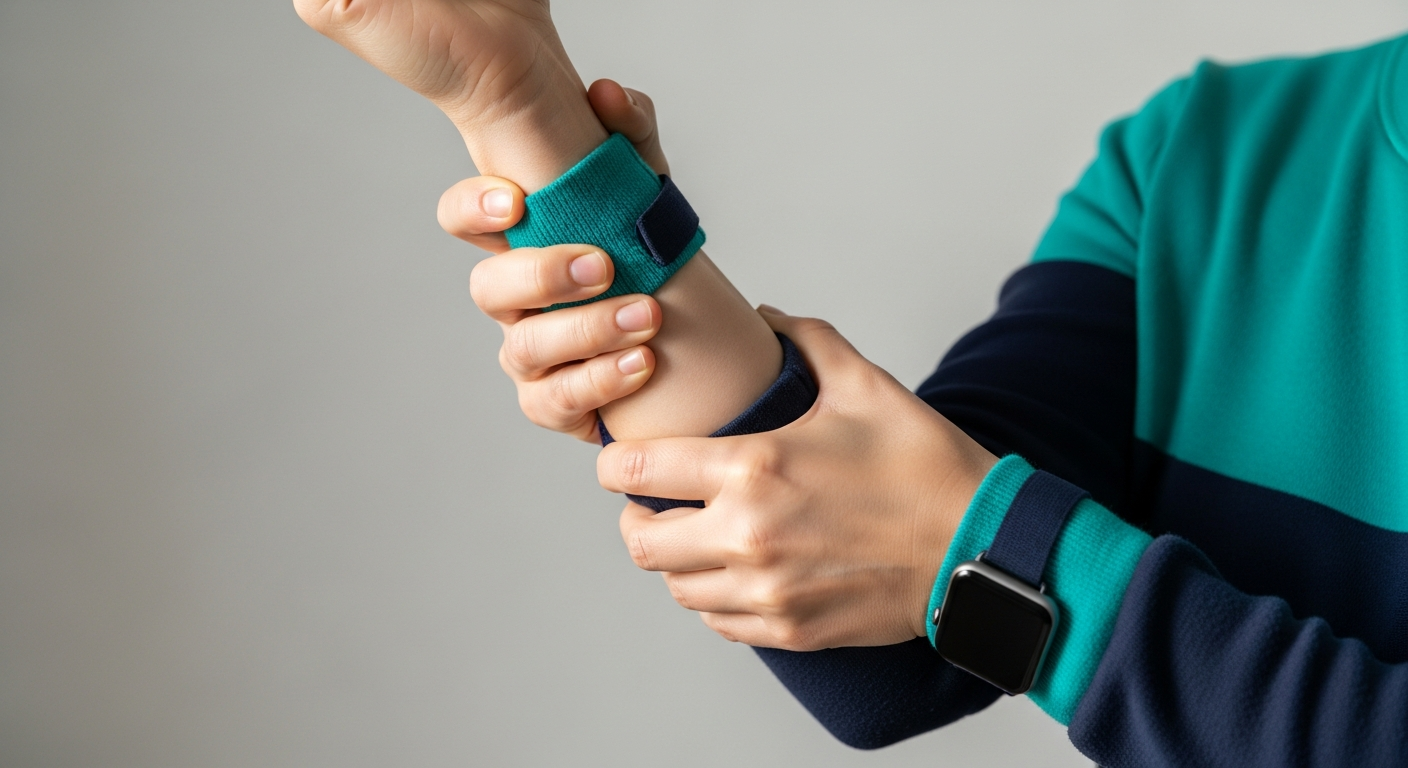
Neither tennis elbow nor golfer’s elbow requires playing either sport — both are load problems of the tendons that anchor your forearm muscles to the elbow. They are common in people who grip, lift, type or carry, which is most of us. The elbow’s structures sit just under the skin, making it one of the joints ultrasound handles best.
Which one is it?
| Where it hurts | What it usually is | Typically provoked by |
|---|---|---|
| Outer side of the elbow | Tennis elbow (lateral epicondylitis) | Gripping, lifting with the palm down, a kettle, a mouse |
| Inner side of the elbow | Golfer’s elbow (medial epicondylitis) | Gripping with the wrist bending in, throwing, screwdriver work |
| Back of the elbow, a soft swelling over the point | Olecranon bursitis | Leaning on the elbow, or a knock |
| Inner elbow with pins and needles into the little finger | Ulnar nerve irritation at the elbow | Prolonged bending, leaning on the inner elbow |
A hot, red, swollen elbow needs same-day care
Bursitis over the point of the elbow that becomes hot, red and painful, particularly with fever or after a break in the skin, may be infected. That needs a GP or urgent care appointment today — call NHS 111 if you cannot get one.
What ultrasound shows at the elbow
The common extensor and flexor tendon origins are directly under the probe, so the scan shows tendon thickening, the disorganised tissue of established tendinopathy, partial tears, and calcification. It sees bursal swelling clearly and can distinguish simple fluid from thickened, inflamed tissue. The ulnar nerve can be watched at the inner elbow, including whether it slips out of its groove as you bend — something only a real-time test can show.
The limits are the same as elsewhere: the joint surfaces, cartilage and bone are not ultrasound’s territory. If a locking elbow or a bony injury is the question, X-ray or MRI is the answer, arranged through your GP.
How the appointment runs
- 1
BookingNo referral, no preparation, short sleeves helpful. The appointment is 30 minutes.
- 2
The scanThe elbow examined bent and straight, with the tendon origins assessed under load and the ulnar nerve watched as the elbow moves.
- 3
ComparisonThe other elbow is often scanned too — tendon appearances vary between people, and comparison makes findings interpretable.
- 4
ResultsExplained on screen as we scan, with the written report usually within two hours — enough detail for a physiotherapist to build a loading plan around.
Your questions answered
Do I need a scan for tennis elbow?
How long does tennis elbow take to settle?
Is it inflammation?
Can ultrasound see the ulnar nerve?
Should I have my bursitis drained?
Can I keep training?
Where to go from here
Name it, then treat it
Tendon origins, bursa and ulnar nerve assessed in real time in a 30-minute appointment — explained on screen as we scan, with the written report usually within two hours for your GP or physiotherapist.
Kensington, London W8 4ED
3 mins from Notting Hill Gate
This article is general information about elbow pain, not individual medical advice. A hot, red, swollen elbow — particularly with fever — needs same-day assessment. See NHS guidance on tennis elbow. We provide diagnostic ultrasound only; we do not offer X-ray, MRI, injections or drainage.
Written and clinically reviewed by the HCPC-registered sonographers who perform this scan at IUS London — a CQC-registered diagnostic ultrasound clinic (Provider ID 1-2775844974). Your own findings are explained to you at the scan and set out in your report.
Author: Yianni Kiromitis, Senior Sonographer, HCPC RA38415 — over 20 years’ experience in NHS and private ultrasound
Medically reviewed: 9 August 2026