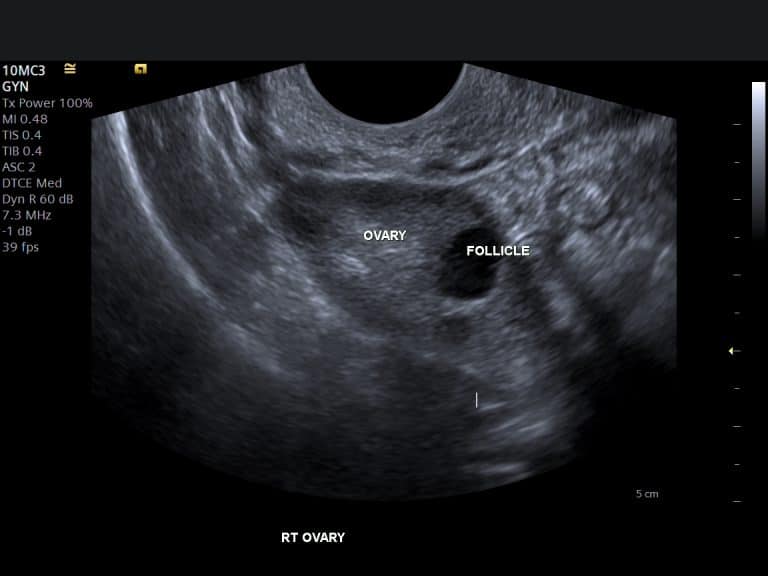
Breast ultrasound is a non-invasive and painless imaging technique that uses high-frequency sound waves to create images of breast tissue.
I have worked in various NHS hospitals for many years, and from my extensive experience, the main reasons women have a breast ultrasound are:
Screening for Breast Cancer
One of the most common reasons for a breast ultrasound is screening for breast cancer. Although mammography is the primary screening tool for breast cancer, ultrasound serves as a valuable adjunct, especially for women with dense breast tissue. Dense breast tissue can make it difficult to detect abnormalities on a mammogram, so an ultrasound may be recommended to provide additional information.
Evaluating Breast Lumps
Breast lumps are another common reason for breast ultrasounds. When a woman or her healthcare provider discovers a lump during a physical examination or a mammogram, an ultrasound is often used to determine whether the lump is solid or fluid-filled. Solid lumps can be either benign or malignant, while fluid-filled lumps, also known as cysts, are generally benign. Ultrasound can help in guiding further diagnostic procedures, such as a biopsy, if required.
Investigating Breast Pain or Tenderness
Breast pain, also known as mastalgia, is a common symptom experienced by many women. While breast pain is not usually a sign of breast cancer, it can be uncomfortable and concerning. Breast ultrasound can help identify potential causes of breast pain, such as cysts, inflammation, or benign breast conditions like fibrocystic changes or mastitis.
Assessing Nipple Discharge
Nipple discharge is another reason for seeking a breast ultrasound. While some nipple discharge can be normal, especially during pregnancy and breastfeeding, discharge that is bloody, clear, or occurs spontaneously may warrant further investigation. Ultrasound can help determine the cause of the discharge, such as an intraductal papilloma, infection, or, in rare cases, breast cancer.
Monitoring Breast Implants
Women with breast implants may need periodic breast ultrasounds to monitor the integrity of the implants. Ultrasound is a valuable tool for detecting potential complications, such as rupture or leakage, as well as evaluating the surrounding breast tissue for signs of cancer or other abnormalities.
Guiding Breast Biopsies
Breast ultrasound can be used to guide biopsies in cases where a suspicious lesion is identified. Using real-time imaging, the radiologist can accurately target the area of concern and collect tissue samples for further analysis. This minimally invasive procedure is essential for diagnosing breast cancer and other breast conditions.
Evaluating Abnormal Mammogram Results
If a woman has an abnormal mammogram result, a breast ultrasound may be recommended as a follow-up test. Ultrasound can provide additional information about the nature of the abnormality, helping to determine whether it is benign or potentially cancerous. In some cases, ultrasound can help to avoid unnecessary biopsies or surgical procedures.
Assessing Lymph Nodes
Breast ultrasound can also be used to assess the axillary (underarm) lymph nodes for signs of inflammation, infection, or cancer spread. In cases of breast cancer, the presence of cancer cells in the lymph nodes may indicate a more advanced stage of the disease and affect treatment decisions.
Pregnancy and Breastfeeding
During pregnancy and breastfeeding, women may experience changes in their breasts, such as engorgement, mastitis, or blocked milk ducts. Breast ultrasound can be a helpful tool in diagnosing these issues and guiding appropriate treatment. Additionally, ultrasound is safe for both the mother and the baby, making it a preferred imaging method during this time.
Monitoring High-Risk Patients
Some women may be at a higher risk of developing breast cancer due to factors such as family history, genetic predisposition, or previous breast cancer diagnosis. For these high-risk patients, breast ultrasounds can be used as a supplemental screening tool alongside mammography and other imaging methods, such as magnetic resonance imaging (MRI), to provide a more comprehensive assessment of breast health.
Follow-up After Breast Cancer Treatment
Breast ultrasound can be an essential tool in the follow-up care of breast cancer patients. After treatment, such as surgery, chemotherapy, or radiation therapy, breast ultrasounds can help monitor the treated area for any signs of recurrence or complications. This ongoing surveillance can provide peace of mind for patients and their healthcare providers and ensure that any potential issues are identified and addressed promptly.
Conclusion
Breast ultrasound is a versatile imaging tool that plays a critical role in the detection, diagnosis, and management of various breast conditions. As a radiologist in a private ultrasound clinic, I have seen first-hand how valuable this technology can be in providing essential information for patients and their healthcare providers. From screening for breast cancer to evaluating breast pain and guiding biopsies, breast ultrasound offers a non-invasive and painless option for assessing the health of breast tissue. By understanding the most common reasons for a breast ultrasound, women can be better informed about their breast health and make more educated decisions regarding their care.
References:
https://www.nhs.uk/conditions/breast-cancer/diagnosis/
https://www.cancerresearchuk.org/about-cancer/breast-cancer/getting-diagnosed/tests-diagnose/breast-ultrasound
https://www.radiologyinfo.org/en/info/breastus
https://www.hopkinsmedicine.org/health/treatment-tests-and-therapies/breast-ultrasound
https://www.cancer.org/cancer/breast-cancer/screening-tests-and-early-detection/mammograms/what-does-the-doctor-look-for-on-a-mammogram.html
https://www.cdc.gov/cancer/breast/basic_info/diagnosis.htm
https://www.cancer.gov/types/breast/breast-changes/understanding-breast-changes.pdf
https://www.ncbi.nlm.nih.gov/pmc/articles/PMC2766883/
https://www.cancer.net/cancer-types/breast-cancer/diagnosis
https://www.mayoclinic.org/healthy-lifestyle/womens-health/in-depth/breast-lump/art-20044839
https://my.clevelandclinic.org/health/diagnostics/21496-breast-ultrasound
https://www.cancer.gov/types/breast/breast-changes
https://knowyourgirls.org/resources/everything-you-should-know-if-you-need-a-follow-up-test/
https://www.healthline.com/health/breast-ultrasound
https://www.cancer.org/cancer/breast-cancer/screening-tests-and-early-detection/breast-ultrasound.html
https://www.ncbi.nlm.nih.gov/books/NBK557837/
https://www.cancerresearchuk.org/about-cancer/breast-cancer/getting-diagnosed/screening/breast-screening
https://www.mayoclinic.org/diseases-conditions/breast-pain/symptoms-causes/syc-20350423
https://www.harleystreetultrasound.com/articles/possible-causes-of-breast-pain/
https://www.ncbi.nlm.nih.gov/pmc/articles/PMC28731/
https://www.medicalnewstoday.com/articles/311833
https://www.healthline.com/health/womens-health/when-to-worry-about-breast-pain
https://www.ajronline.org/doi/full/10.2214/AJR.19.21923
https://www.cancer.org/cancer/breast-cancer/screening-tests-and-early-detection/breast-cancer-signs-and-symptoms.html
https://familydoctor.org/condition/breast-pain-in-women/
https://my.clevelandclinic.org/health/diseases/15469-breast-pain-mastalgia
https://www.mayoclinic.org/tests-procedures/breast-biopsy/about/pac-20384812
https://www.cancer.org/cancer/breast-cancer/screening-tests-and-early-detection/breast-biopsy.html
https://www.hopkinsmedicine.org/health/treatment-tests-and-therapies/breast-biopsy
https://www.radiologyinfo.org/en/info/breastbius
https://www.nationalbreastcancer.org/breast-cancer-biopsy/
https://www.cancer.org/cancer/breast-cancer/screening-tests-and-early-detection/mammograms/getting-called-back-after-a-mammogram.html
https://www.nhs.uk/conditions/breast-screening-mammogram/your-results/
https://www.healthimages.com/common-reasons-for-getting-called-back-after-a-mammogram/
https://www.komen.org/breast-cancer/screening/follow-up/
https://www.webmd.com/breast-cancer/suspicious-mammogram-results
https://breastcancernow.org/information-support/have-i-got-breast-cancer/breast-lumps-other-benign-conditions/breast-cysts
https://www.mayoclinic.org/diseases-conditions/breast-cysts/diagnosis-treatment/drc-20370290
https://my.clevelandclinic.org/health/diseases/15691-breast-cysts
https://www.radiologyinfo.org/en/info/breastlumps
https://www.cancercenter.com/cancer-types/breast-cancer/symptoms/breast-cysts
https://www.breastcancer.org/benign-breast-conditions/cysts
https://www.cancer.org/cancer/breast-cancer/screening-tests-and-early-detection/mammograms/breast-density-and-your-mammogram-report.html
https://www.harleystreetultrasound.com/articles/what-is-a-breast-ultrasound/
https://densebreast-info.org/screening-technologies/breast-ultrasound/
https://www.rcr.ac.uk/system/files/publication/field_publication_files/bfcr199-guidance-on-screening-and-symptomatic-breast-imaging.pdf
https://www.ncbi.nlm.nih.gov/pmc/articles/PMC4931781/
https://gs.amegroups.com/article/view/11926/html
https://assets.publishing.service.gov.uk/government/uploads/system/uploads/attachment_data/file/624796/Screening_women_with_breast_implants_guidance.pdf
https://link.springer.com/article/10.1007/s00238-019-01610-1
https://www.fda.gov/media/131885/download
https://www.breastcancer.org/treatment/surgery/breast-reconstruction/corrective-reconstruction/implant-rupture
https://emedicine.medscape.com/article/345877-overview
https://www.cancer.org/cancer/breast-cancer/reconstruction-surgery/what-to-expect-after-breast-reconstruction-surgery.html
https://www.cdc.gov/cancer/breast/basic_info/risk_factors.htm
https://www.mayoclinic.org/diseases-conditions/breast-cancer/symptoms-causes/syc-20352470
https://www.nhs.uk/conditions/breast-cancer/causes/
https://www.gov.uk/government/publications/breast-screening-higher-risk-women-surveillance-protocols/protocols-for-surveillance-of-women-at-higher-risk-of-developing-breast-cancer
https://www.cancer.org/cancer/breast-cancer/screening-tests-and-early-detection/american-cancer-society-recommendations-for-the-early-detection-of-breast-cancer.html
https://www.cancer.net/cancer-types/breast-cancer/risk-factors-and-prevention
https://www.cancercenter.com/cancer-types/breast-cancer/risk-factors
https://my.clevelandclinic.org/health/articles/16805-breast-cancer-in-young-women
https://www.ncbi.nlm.nih.gov/pmc/articles/PMC5746883/
https://www.nhs.uk/conditions/nipple-discharge/
https://www.mayoclinic.org/symptoms/nipple-discharge/basics/causes/sym-20050946
https://emedicine.medscape.com/article/347305-overview
https://www.msdmanuals.com/en-gb/home/women-s-health-issues/breast-disorders/nipple-discharge
https://www.bci.org.au/breast-cancer-information/fact-sheets/nipple-discharge/
https://www.ajronline.org/doi/10.2214/AJR.14.13354
https://www.sciencedirect.com/science/article/pii/S2211568415002508
https://www.uptodate.com/contents/common-breast-problems-beyond-the-basics
https://www.ncbi.nlm.nih.gov/pmc/articles/PMC6092150/
https://www.mayoclinic.org/diseases-conditions/breast-pain/diagnosis-treatment/drc-20350426
https://www.cancer.org/cancer/breast-cancer/non-cancerous-breast-conditions/mastitis.html
https://www.nhsinform.scot/illnesses-and-conditions/cancer/cancer-types-in-adults/breast-cancer-female
https://www.ncbi.nlm.nih.gov/pmc/articles/PMC2718688/
https://www.hopkinsmedicine.org/health/conditions-and-diseases/breast-cancer/6-mammogram-myths