Can You See Cancer in the Abdomen with Ultrasound?
For some organs, ultrasound is a genuinely good first look. For others it is nearly blind — and knowing which is which is the difference between a useful scan and false reassurance.

The honest answer is organ by organ. Abdominal ultrasound images the solid organs — liver, kidneys, spleen, much of the pancreas, the gallbladder — well enough to find and measure masses, distinguish solid growths from harmless fluid-filled cysts, and detect free fluid or enlarged lymph nodes. But it cannot see through gas, which leaves the stomach and bowel linings largely invisible, and finding a mass is not the same as diagnosing cancer: most masses ultrasound finds are benign, and the suspicious minority still need CT, MRI or a biopsy to be named. This page maps the capability honestly, organ by organ — the umbrella question of ultrasound and cancer screening is covered separately.
Where ultrasound sees well — and where it doesn’t
Liver — good first look. Ultrasound finds and measures liver lesions and distinguishes solid masses from simple cysts. Many findings are common benign entities (haemangiomas, cysts); characterising an indeterminate lesion usually moves to CT or MRI. In people with chronic liver disease, ultrasound is the standard surveillance test precisely because it monitors the liver well.
Kidneys — strong. The solid-versus-cystic question — the key question for kidney masses — is one ultrasound answers directly, and simple kidney cysts (very common and harmless) are confidently dismissed on screen. Solid renal masses found on ultrasound are routed to CT for full characterisation.
Pancreas — partial. The head of the pancreas is usually visible; the body and tail often hide behind stomach and bowel gas. Ultrasound can find pancreatic masses and the duct dilation they cause, but a normal ultrasound does not exclude pancreatic cancer — persistent worrying symptoms (new upper abdominal or back pain with weight loss, new jaundice) need GP assessment and usually CT, whatever the scan showed.
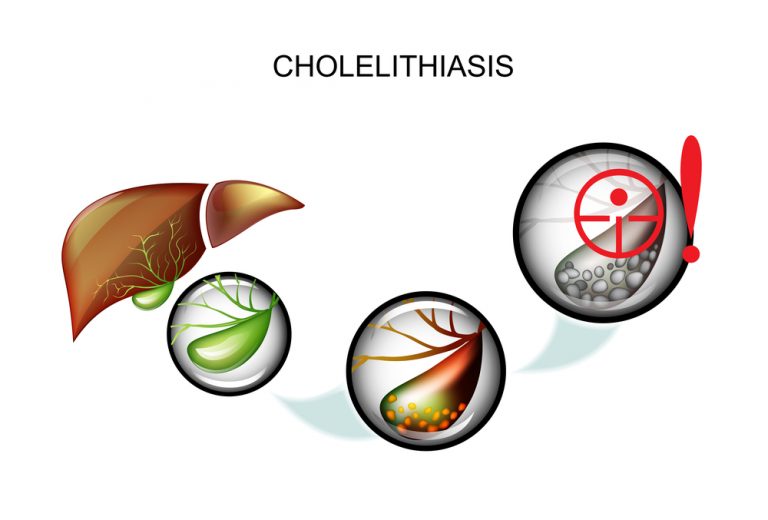
Gallbladder — good. Polyps and masses of the gallbladder wall are visible and measurable, and stones — the far more common finding — are its bread and butter, covered in our guide to gallstones on ultrasound.
Spleen, lymph nodes and fluid — useful supporting evidence. An enlarged spleen, enlarged abdominal lymph nodes and free fluid (ascites) are all visible — findings that never diagnose cancer alone but often direct what happens next.
Stomach and bowel — nearly blind. Gas blocks sound, so the linings where stomach and bowel cancers arise are not reliably assessable; those organs belong to gastroscopy and colonoscopy, as our guide to what a stomach ultrasound shows explains honestly.
What a normal scan does — and does not — tell you
A normal abdominal ultrasound is real evidence: the solid organs it sees well have been checked, measured and documented. What it is not is an all-clear for the abdomen. The pancreatic tail, the stomach, the bowel — the scan’s blind spots are exactly where some serious cancers live. So one rule sits above everything on this page: alarm symptoms outrank scan results. Unexplained weight loss, bleeding from the bowel, a persistent change in bowel habit, new jaundice, or persistent vomiting need prompt GP assessment and the right test for the right organ — even if an ultrasound last week was normal. An honest report says so, and ours are written exactly that way, with next steps your GP can act on.
These are generalised patterns from our imaging casebook, not individual cases — your own findings are always discussed with you at your scan.
Abdominal cancer and ultrasound — your questions answered
Can ultrasound detect liver cancer?
Can ultrasound detect kidney cancer?
Can ultrasound detect pancreatic cancer?
Can ultrasound detect stomach or bowel cancer?
What happens if my scan finds a mass?
Is a normal abdominal ultrasound a guarantee I don’t have cancer?
Where to go from here
Liver, gallbladder, pancreas, spleen, kidneys and aorta — the examination this page describes.
About the scan →
The UmbrellaUltrasound & Cancer ScreeningWhat scanning can and cannot contribute to cancer detection overall.
Read the guide →
ChoosingUltrasound vs MRI vs CTWhich imaging answers which question — the honest comparison.
Read the guide →
Check the organs ultrasound checks well
A 30-minute abdominal ultrasound with findings explained on screen and a written report — usually within two hours — that says honestly what was seen, and what needs a different test.
Kensington, London W8 4ED
3 mins from Notting Hill Gate
This article is general information, not individual medical advice. Alarm symptoms — unexplained weight loss, bleeding, persistent change in bowel habit, jaundice — need prompt GP assessment through NHS pathways regardless of any scan result. If in doubt, speak to your GP or call NHS 111.
Written and clinically reviewed by the HCPC-registered sonographers who perform this scan at IUS London — a CQC-registered diagnostic ultrasound clinic (Provider ID 1-2775844974). Your own findings are explained to you at the scan and set out in your report.
Author: Yianni Kiromitis, Senior Sonographer, HCPC RA38415
Medically reviewed: 31 July 2026