Stomach Pain After Eating — Could It Be Your Gallbladder?

Stomach Pain After Eating — Could It Be Your Gallbladder?

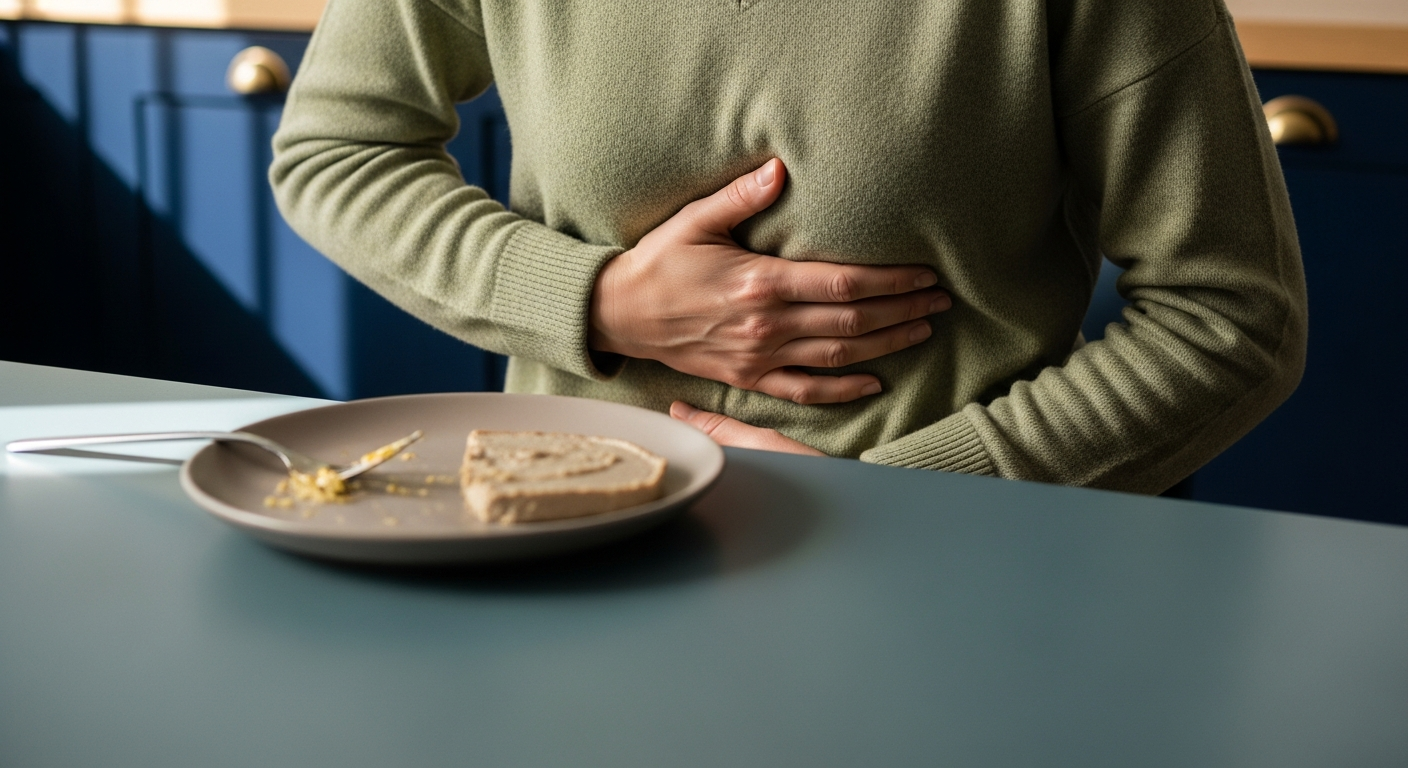
Stomach pain after eating is a common complaint, often dismissed as indigestion or a fleeting discomfort. However, for many, this post-meal agony can signal a more significant underlying issue, particularly involving the gallbladder. This vital, pear-shaped organ, nestled beneath the liver, plays a crucial role in digestion by storing and concentrating bile produced by the liver. Bile is essential for breaking down fats in the small intestine. When the gallbladder malfunctions, it can lead to a cascade of uncomfortable and sometimes severe symptoms, profoundly impacting an individual's quality of life.

Understanding the nuances of post-prandial (after-meal) pain is paramount. While various conditions can manifest as stomach discomfort, pain specifically triggered or exacerbated by food intake, especially fatty meals, often points towards biliary issues. This article will delve into the intricate relationship between stomach pain after eating and gallbladder health, exploring the common causes, symptoms, and the critical importance of timely diagnosis and intervention. We aim to provide a comprehensive guide, blending clinical insights with patient-centred empathy, to help individuals navigate this often-confusing landscape of digestive distress.

⚠ Red Flags (A&E): When to Seek Immediate Medical Attention

While many instances of stomach pain after eating may not be life-threatening, certain symptoms warrant immediate medical evaluation at an Accident & Emergency (A&E) department. Recognising these red flags can be crucial for preventing severe complications and ensuring prompt treatment. Do not delay seeking emergency care if you experience any of the following:

Firstly, sudden, severe, and worsening abdominal pain, particularly if it is excruciating, rapidly intensifying, and localised to the upper right abdomen or radiating to the back or right shoulder blade, demands immediate attention. This type of pain can signify an acute and potentially dangerous condition. Secondly, persistent vomiting and nausea that prevents fluid retention, leads to dehydration, or includes blood or coffee-ground-like material in the vomit, is a critical indicator for emergency care. Thirdly, the presence of a high fever and chills alongside abdominal pain can suggest a serious infection such as cholecystitis (gallbladder inflammation) or cholangitis (bile duct infection), both of which can escalate rapidly to life-threatening situations. Furthermore, jaundice, characterised by a yellowish discoloration of the skin or the whites of the eyes, is a crucial sign of bile duct obstruction, often due to gallstones, necessitating urgent medical assessment. Changes in bodily waste, specifically dark urine and pale stools, can also point towards a blockage in the bile ducts, impeding bile flow to the intestines. If the abdomen becomes distended, hard, or extremely tender to touch, it could indicate peritonitis or another severe intra-abdominal pathology. While less common for gallbladder issues, shortness of breath or chest pain accompanying abdominal pain could suggest a cardiac emergency, especially in individuals with pre-existing risk factors, and should always be investigated promptly. Lastly, an inability to pass gas or stool may signal a bowel obstruction, which is a medical emergency requiring immediate intervention.

These symptoms are not exhaustive, but they represent critical indicators that your condition may be more serious than simple indigestion. Prompt medical attention can make a significant difference in outcomes, potentially preventing irreversible damage or life-threatening complications. Always err on the side of caution when your body signals severe distress.

The Gallbladder: A Small Organ with a Big Role

To truly understand why the gallbladder can cause such significant discomfort, it's essential to appreciate its physiological function. The liver continuously produces bile, a greenish-yellow fluid composed of water, bile salts, cholesterol, and bilirubin. Bile's primary function is to emulsify fats in the small intestine, breaking them down into smaller particles that can be more easily digested and absorbed. The gallbladder acts as a reservoir for this bile, storing and concentrating it between meals. When food, particularly fatty food, enters the small intestine, a hormone called cholecystokinin (CCK) is released. CCK signals the gallbladder to contract, releasing concentrated bile into the common bile duct, which then empties into the duodenum.

This elegant system can be disrupted in several ways, leading to the pain and symptoms commonly associated with gallbladder disease. The most prevalent issue is the formation of gallstones, or cholelithiasis. These hardened deposits can range in size from a grain of sand to a golf ball and are primarily composed of cholesterol or bilirubin. While many people with gallstones remain asymptomatic, they can cause significant problems when they obstruct the flow of bile.

Gallstones (Cholelithiasis): The Root of Many Woes

Gallstones are incredibly common, affecting a substantial portion of the adult population, though many individuals may never experience symptoms. The exact mechanisms of gallstone formation are complex and multifactorial, involving imbalances in the chemical composition of bile. For instance, if bile contains too much cholesterol or bilirubin, or not enough bile salts, these substances can crystallise and form stones. Factors contributing to gallstone formation include genetics, obesity, rapid weight loss, certain medications, and conditions like Crohn's disease.

When gallstones cause symptoms, it is typically due to their movement and subsequent obstruction of the bile ducts. The classic presentation is biliary colic, a sudden, intense pain in the upper right abdomen, often radiating to the back or right shoulder. This pain typically occurs after eating, especially fatty or large meals, as these stimulate gallbladder contraction. The pain can last from 30 minutes to several hours and then gradually subside. While often described as 'colic', it is more of a steady, severe pain rather than cramping.

There are primarily two types of gallstones, each with distinct compositions and associated risk factors. The most common are cholesterol stones, which account for approximately 80% of all gallstones. These are typically yellow-green in colour and are predominantly formed from hardened cholesterol. Their formation is often linked to factors such as obesity, a diet high in saturated fats, rapid weight loss, and certain genetic predispositions. The second type, pigment stones, are smaller and darker, composed mainly of bilirubin. These are less common and tend to be associated with underlying medical conditions such as cirrhosis, chronic biliary tract infections, or hereditary blood disorders like sickle cell anaemia, which lead to increased bilirubin production.

Cholecystitis: When the Gallbladder Becomes Inflamed

Cholecystitis refers to the inflammation of the gallbladder, most commonly caused by a gallstone obstructing the cystic duct, the tube that drains bile from the gallbladder. This blockage leads to bile stasis, increased pressure within the gallbladder, and subsequent inflammation and infection. Acute cholecystitis presents with severe, persistent pain in the upper right abdomen, often accompanied by fever, nausea, and vomiting. Unlike biliary colic, the pain in acute cholecystitis does not resolve spontaneously and typically lasts for more than six hours.

If left untreated, acute cholecystitis can lead to several serious complications. These include gallbladder empyema, which is the accumulation of pus within the gallbladder, and gallbladder perforation, where the gallbladder wall ruptures, releasing infected bile into the abdominal cavity and potentially causing peritonitis, a life-threatening infection. Another severe complication is gangrenous cholecystitis, involving tissue death of the gallbladder wall, often due to compromised blood supply. Furthermore, fistula formation, an abnormal connection between the gallbladder and an adjacent organ such as the bowel, can also occur.

Chronic cholecystitis, on the other hand, results from repeated bouts of acute inflammation or persistent irritation from gallstones. It can lead to thickening and scarring of the gallbladder wall, impairing its function. Symptoms are often less severe but persistent, including recurrent episodes of upper abdominal pain, bloating, and indigestion, particularly after meals.

Other Gallbladder-Related Conditions

Beyond gallstones and cholecystitis, other conditions can affect the gallbladder and cause similar symptoms. One such condition is Acalculous Cholecystitis, an inflammation of the gallbladder that occurs without the presence of gallstones. This form is less common but often more severe, typically observed in critically ill patients, those with severe trauma, burns, or prolonged fasting. The precise cause is not always clear but may involve bile stasis, ischemia, or infection. Another functional disorder is Biliary Dyskinesia, where the gallbladder fails to contract properly despite the absence of gallstones. This can lead to symptoms akin to biliary colic, including post-prandial pain, and is often diagnosed using a HIDA scan to evaluate the gallbladder's ejection fraction. Cholangitis, an infection of the bile ducts, is a serious condition frequently triggered by an obstruction (such as gallstones, strictures, or tumours) that permits bacteria to ascend from the duodenum. It is characterised by Charcot's triad—fever, jaundice, and right upper quadrant pain—and necessitates urgent medical intervention. Lastly, Gallbladder Polyps, which are growths on the inner lining of the gallbladder, are mostly benign and asymptomatic. However, some, especially those larger than 1 cm, carry malignant potential and may require monitoring or surgical removal.

Differential Diagnosis: Beyond the Gallbladder

While gallbladder issues are a significant cause of post-meal stomach pain, it is crucial to consider other conditions that can present with similar symptoms. A thorough differential diagnosis is essential for accurate treatment. Here are some common conditions that can mimic gallbladder pain: Gastroesophageal Reflux Disease (GERD), for instance, often presents with heartburn, regurgitation, and chest pain, which tends to worsen after eating or lying down. Although typically felt higher in the chest, severe reflux can sometimes be mistaken for upper abdominal pain. Peptic Ulcer Disease (PUD), involving ulcers in the stomach or duodenum, can cause a burning pain in the upper abdomen; this pain might be relieved by food in duodenal ulcers or exacerbated by it in gastric ulcers. Pancreatitis, an inflammation of the pancreas, is characterised by severe upper abdominal pain that often radiates to the back and is frequently worsened by fatty meals, accompanied by nausea, vomiting, and fever. Irritable Bowel Syndrome (IBS), a functional bowel disorder, manifests with abdominal pain, bloating, and altered bowel habits, where pain can be food-triggered but is generally more diffuse and linked to bowel movements. Gastritis, an inflammation of the stomach lining, causes upper abdominal pain, nausea, vomiting, and bloating, and can be acute or chronic. Various liver conditions, such as hepatitis or liver abscesses, can also cause right upper quadrant pain, often with systemic symptoms like jaundice, fatigue, and dark urine. It is also vital to consider cardiac pain, as angina or a heart attack can sometimes present as upper abdominal discomfort, particularly in women or older adults, underscoring why chest pain with abdominal symptoms is a red flag. Kidney stones, while typically causing flank pain, can occasionally present with radiating pain that might be confused with gallbladder issues. Finally, appendicitis, though classically associated with pain migrating from the navel to the lower right abdomen, can have atypical presentations that cause upper abdominal discomfort.

Given the overlap in symptoms, a precise diagnosis often requires a combination of clinical assessment, laboratory tests, and imaging studies. This is where the expertise of a medical professional and advanced diagnostic tools become invaluable.

Differentiating Causes of Post-Meal Abdominal Pain

To further clarify the distinctions between gallbladder-related pain and other common causes of post-meal abdominal discomfort, the following table provides a comparative overview of key symptoms, triggers, and characteristics. This can aid in understanding the potential origin of the pain, though a definitive diagnosis always requires professional medical evaluation.

FeatureBiliary Colic (Gallstones)Acute CholecystitisPancreatitisPeptic Ulcer Disease (PUD)GERD (Gastroesophageal Reflux Disease)
**Pain Location**Upper right abdomen, radiating to back/shoulder bladeUpper right abdomen, constant, severeUpper abdomen, radiating to backEpigastric (upper central abdomen)Chest, epigastric
**Pain Character**Intense, steady, cramping, often severeSevere, constant, sharp, tender to touchSevere, boring, constantBurning, gnawing, achingBurning (heartburn), acidic
**Onset**Post-fatty meal, suddenGradual, often after a mealPost-fatty meal/alcohol, suddenVariable, often related to mealsPost-meal, lying down
**Duration**30 mins to several hours, then resolves>6 hours, persistentHours to days, persistentIntermittent, can last hoursIntermittent, can last hours
**Associated Symptoms**Nausea, vomiting, bloatingNausea, vomiting, fever, chills, jaundice (sometimes)Nausea, vomiting, fever, rapid pulseNausea, bloating, early satietyRegurgitation, dysphagia, cough, hoarseness
**Relieving Factors**Spontaneous resolutionNone (requires medical intervention)Leaning forwardAntacids, food (duodenal ulcer)Antacids, upright posture
**Aggravating Factors**Fatty meals, large mealsFatty meals, movementFatty meals, alcoholEmpty stomach (gastric ulcer), spicy foodLarge meals, fatty foods, caffeine, alcohol, lying down
**Key Diagnostic Test**UltrasoundUltrasound, HIDA scanAmylase/Lipase, CT scanEndoscopyEndoscopy, pH monitoring

From Our Practice: A Clinical Insight from IUS London

At IUS London, we frequently encounter patients presenting with post-meal abdominal pain, and while the differential diagnosis is broad, a significant proportion of these cases ultimately point towards gallbladder dysfunction. One anonymised, yet highly illustrative, clinical pattern we often observe involves a patient, typically in their late 40s to early 50s, who reports recurrent episodes of severe upper right abdominal pain. This pain consistently manifests within an hour or two of consuming a rich or fatty meal, such as a Sunday roast or a creamy pasta dish. The discomfort is often described as a gripping or sharp sensation, sometimes radiating to the right shoulder blade, and can last for several hours, leaving the patient feeling exhausted and nauseated. [SUGGESTED — verify with clinician]

Upon initial consultation, these patients often report having tried various over-the-counter antacids or indigestion remedies with little to no relief. They might have attributed their symptoms to stress, general indigestion, or even dietary indiscretion. However, the pattern of pain, specifically its post-prandial timing and character, strongly suggests a biliary origin. A detailed medical history often reveals other subtle symptoms, such as bloating, excessive belching, or a feeling of fullness after even small meals, which they may not have initially linked to their primary complaint.

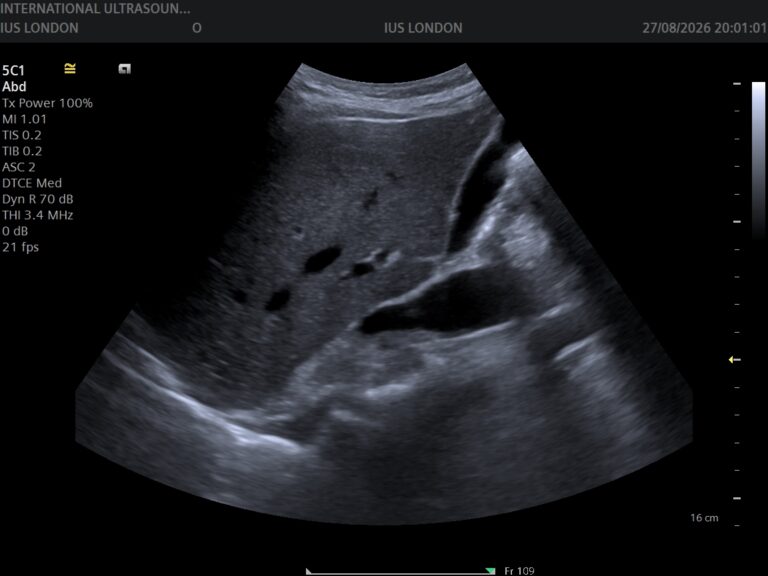
Our diagnostic approach typically begins with a high-resolution abdominal ultrasound scan, performed by our experienced sonographers. In many of these cases, the ultrasound reveals the presence of gallstones within the gallbladder lumen, sometimes accompanied by evidence of gallbladder wall thickening or sludge. The visual confirmation of cholelithiasis provides a clear explanation for their symptoms, allowing us to then discuss appropriate management strategies, which can range from dietary modifications to surgical consultation for cholecystectomy, depending on the severity and frequency of their episodes. This clinical pattern underscores the importance of a thorough diagnostic workup, as what might seem like common indigestion can often be a clear indicator of underlying gallbladder pathology requiring specific medical attention.

References

[1] Skvortsov, V., et al. (2023). Biliary dyskinesia in therapeutic practice. Vrach.

[2] Sun, H., et al. (2022). Factors Influencing Gallstone Formation: A Review of the Literature. Biomolecules, 12(12), 1859. https://consensus.app/papers/details/c90a41f614fc524d9c8c03236ee406f5/

[3] Ratanaprasatporn, L., et al. (2018). Multimodality Imaging, including Dual-Energy CT, in the Evaluation of Gallbladder Disease. Radiographics : a review publication of the Radiological Society of North America, Inc, 38(7), 2045–2063. https://consensus.app/papers/details/06919dd1077574c84bfb561d0dcb897/

Take Control of Your Digestive Health: Book a Private Ultrasound Scan at IUS London

If you are experiencing persistent or recurrent stomach pain after eating, particularly if it is accompanied by other concerning symptoms, it is crucial not to self-diagnose or delay seeking professional medical advice. While this article provides comprehensive information, it is not a substitute for a thorough clinical evaluation. Understanding the root cause of your discomfort is the first step towards effective management and relief.

At IUS London, we specialise in providing state-of-the-art private ultrasound scans in a comfortable and discreet setting in Kensington. Our highly experienced sonographers and medical team are dedicated to delivering accurate diagnostics and personalised care. An abdominal ultrasound is a safe, non-invasive, and highly effective imaging modality for evaluating the gallbladder, bile ducts, liver, and pancreas, helping to identify conditions such as gallstones, cholecystitis, and other potential causes of your symptoms.

Don't let digestive discomfort dictate your life. Take proactive steps towards understanding and improving your health. Book your private ultrasound scan at IUS London today and gain clarity on your condition. Our team is here to support you on your journey to better digestive health.

Book Your Private Ultrasound Scan in London

Same-day appointments available in Kensington. No GP referral required. HCPC-registered consultant sonographers.